
What Film and TV Say About the American Dream
American screens have spent the last fifteen years telling the same economic story. A network sitcom, a horror series, an Oscar winner, and a Marvel blockbuster have almost nothing in common, but when you put them side by side, they keep arriving at the same place: the cost of living is relentless, getting ahead has become the exception, and wealth is treated as spectacle rather than something ordinary people build. We went looking for how our three pillars — affordability, economic mobility, and wealth — show up in recent film and television. What follows is less a list of recommendations than a record of what the culture already knows.
Affordability
For decades, the American sitcom family came with a house, a car, and one income that covered all of it. Money trouble was an episode. Now, it's the setting.
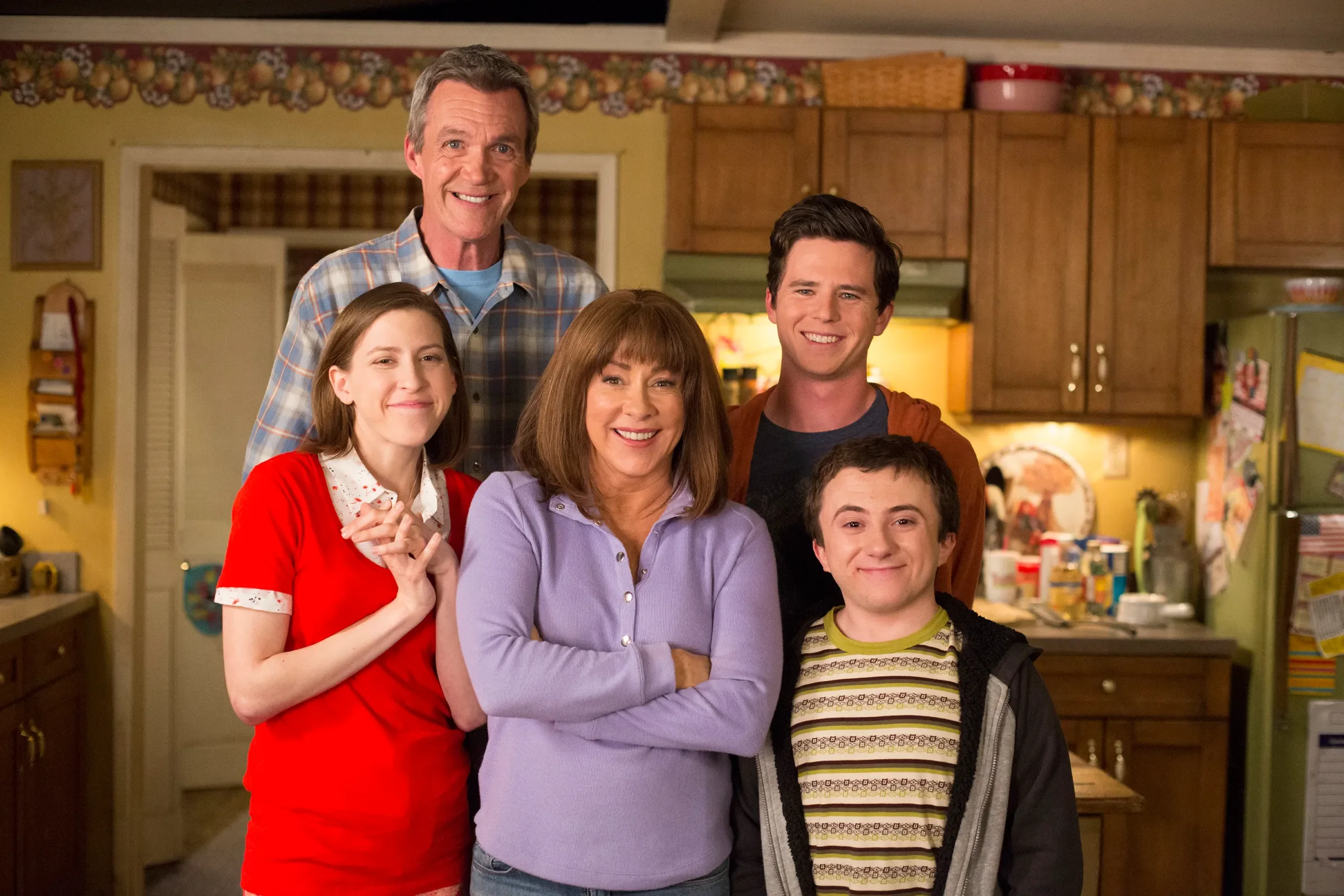
The Middle (2009–2018) ran nine seasons on a single question: can the Hecks cover this? Frankie sells cars badly and Mike manages a quarry, and between them the month still doesn't close. They shop the discount grocer, wear what's second-hand, and live around appliances nobody can afford to replace. The show plays it for warmth rather than tragedy, which is exactly what makes it land — this is ordinary, and ordinary is the point.
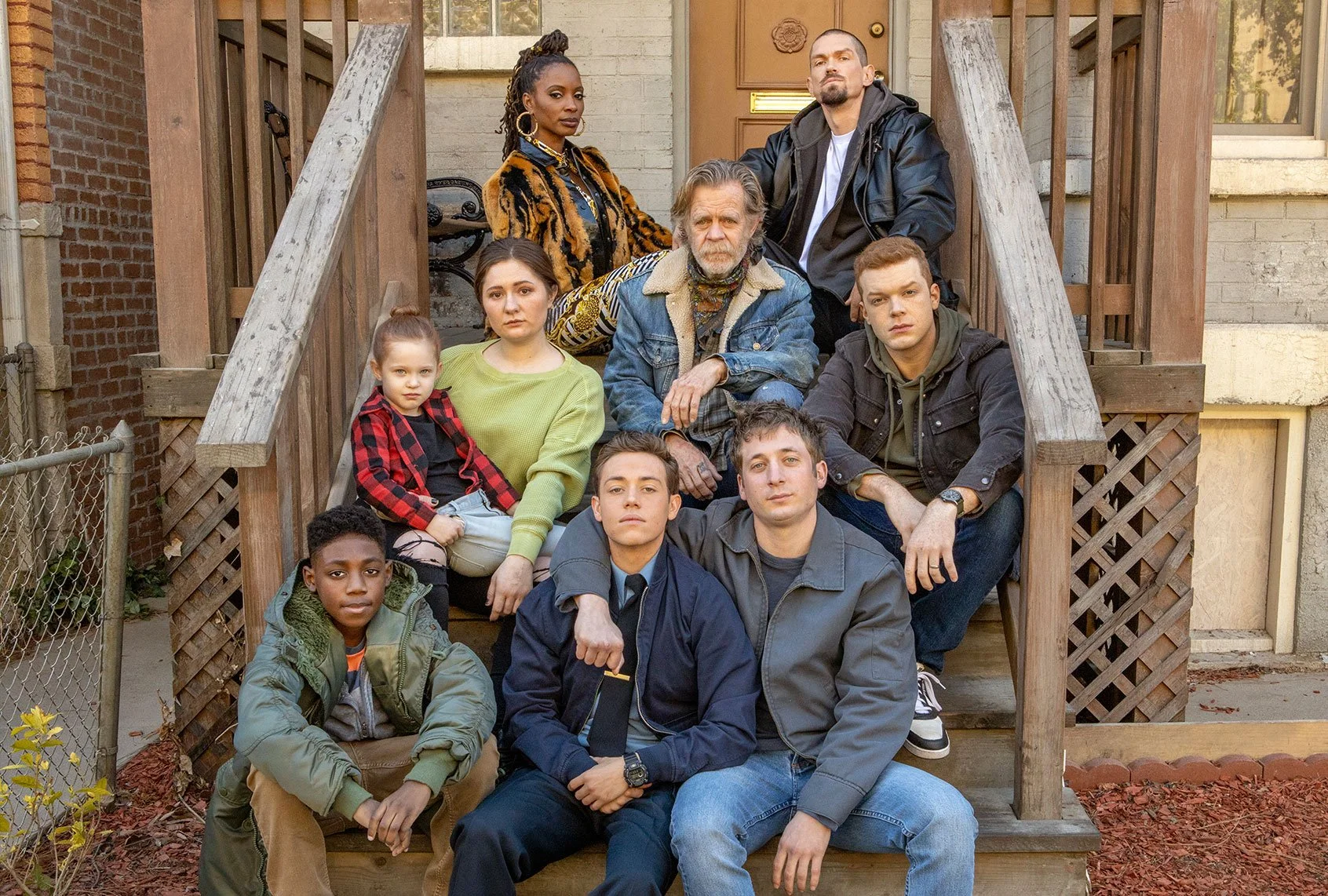
Shameless (2011–2021) pushes the same pressure further down. On the South Side of Chicago, the Gallagher kids raise themselves and pool everything they earn to keep the lights on. They are resourceful in a way that should have been enough. It never adds up to an exit, and by the end the neighborhood gets expensive and the rent finds them anyway.
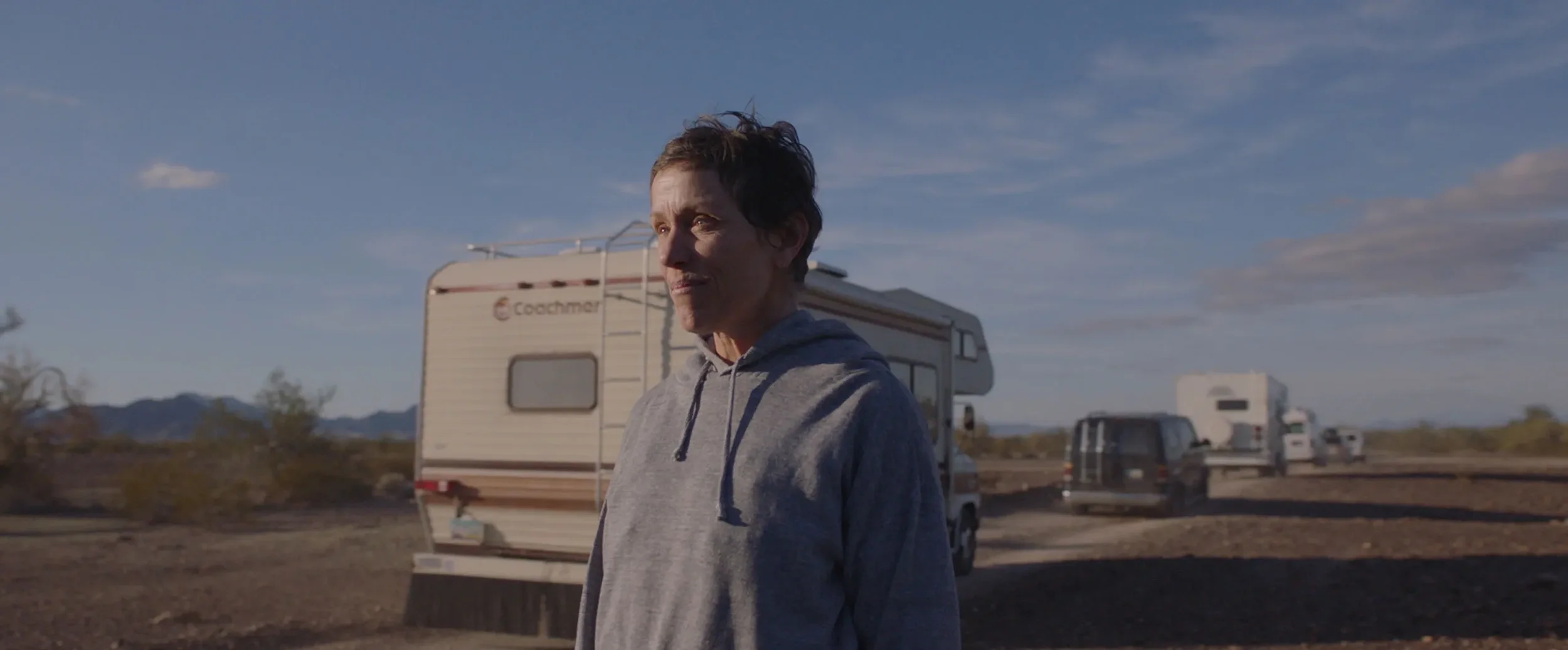
Nomadland (2020) shows what happens when the floor gives out entirely. Fern loses her husband, her job, and her whole town in the space of one recession, then moves into a van and follows seasonal work across the country. She trades a home for gas money and medical bills she can't get out from under. Housing wasn't the last thing to go for her. It was the first.
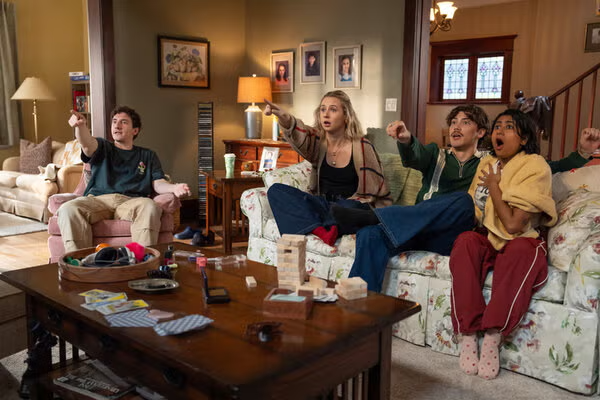
Adults (2025) is the most recent and, in some ways, the most telling. Five twenty-somethings share one friend's childhood home in Queens, handling their own repairs and picking up gig work between the jobs that were supposed to be enough. Nobody in the show treats any of it as a catastrophe. Affordability isn't the crisis here — it's the weather.
That shift is the throughline. Across sixteen years, the cost of living stopped being something characters overcome and became the air they move through.
Economic Mobility
Getting ahead used to be the engine of American storytelling. Somebody started at the bottom, worked, and ended up somewhere better. That story still gets told. It just comes with an asterisk now, and the asterisk is the whole point.
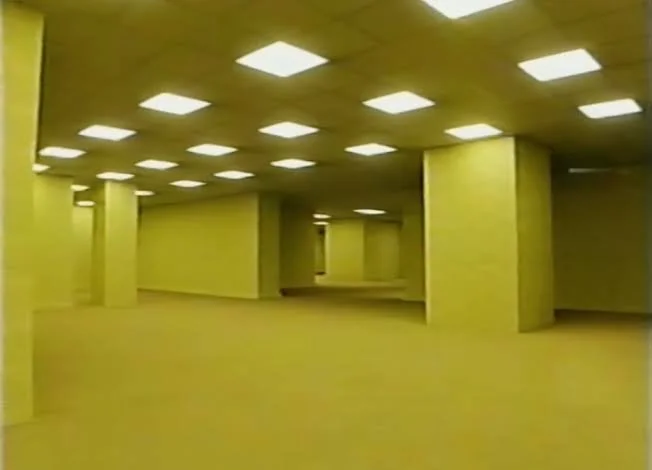
Backrooms (2026) doesn't mention the economy once. It's a horror series set in an endless maze of identical yellow rooms and fluorescent hallways that look unmistakably like an old corporate office — no exit, no purpose, no way to tell progress from repetition. It became a phenomenon because a great many young people recognized the feeling on sight. Stagnation turns out to be legible as horror.
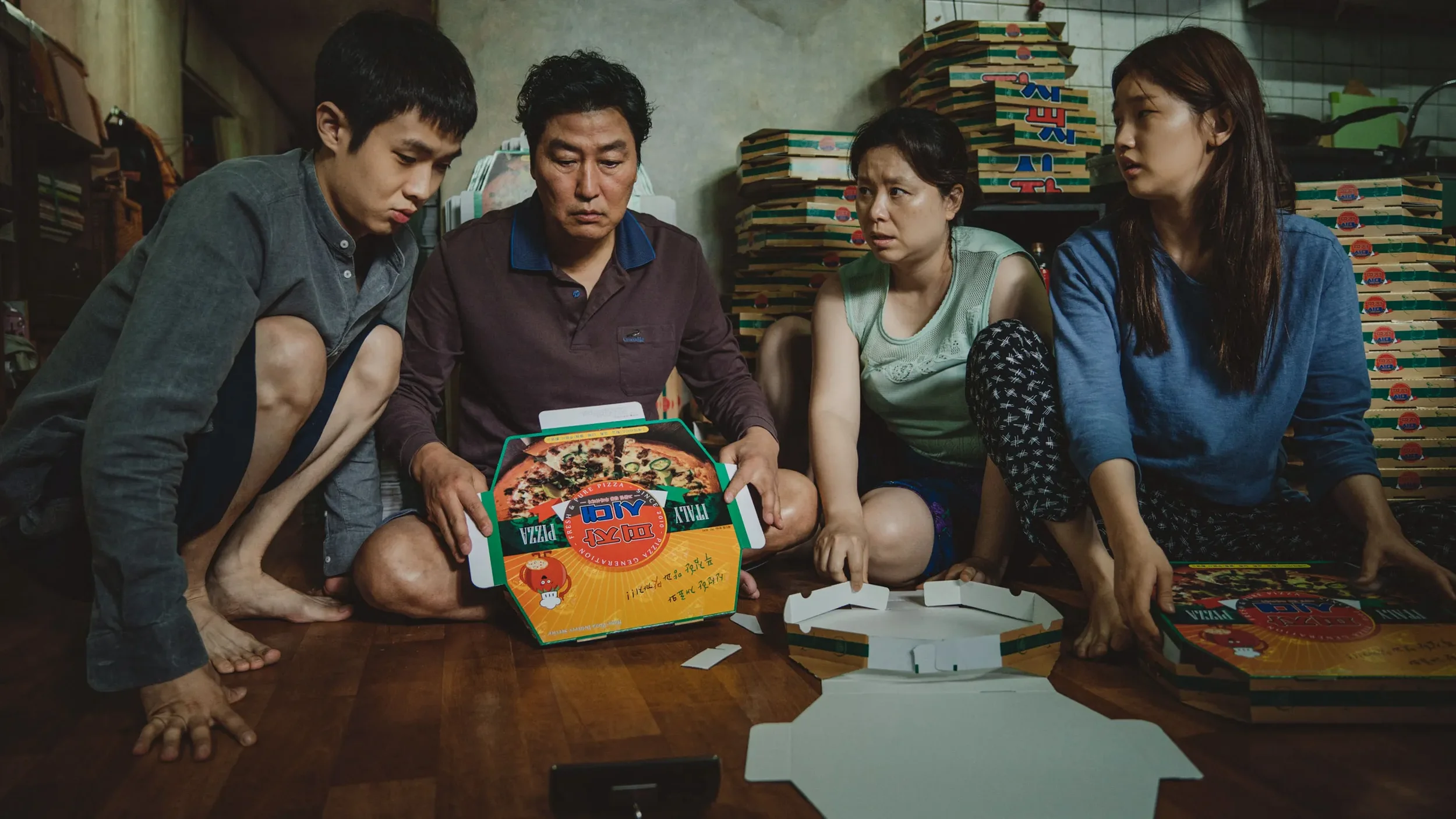
Parasite (2019) draws the ceiling explicitly. The Kim family talks its way into the wealthy Park household one falsified credential at a time, and for a while it works. They get inside the house without ever getting inside the class. The film is unsparing about the difference: proximity to wealth is not access to it.

Beef (2023–present) is interested in what the gap does to people. Each season puts two parties on opposite sides of it and lets the pressure escalate. What detonates isn't money — it's pride, shame, and the specific frustration of standing still while watching someone else move. Mobility is something people feel long before it appears in a bank account.
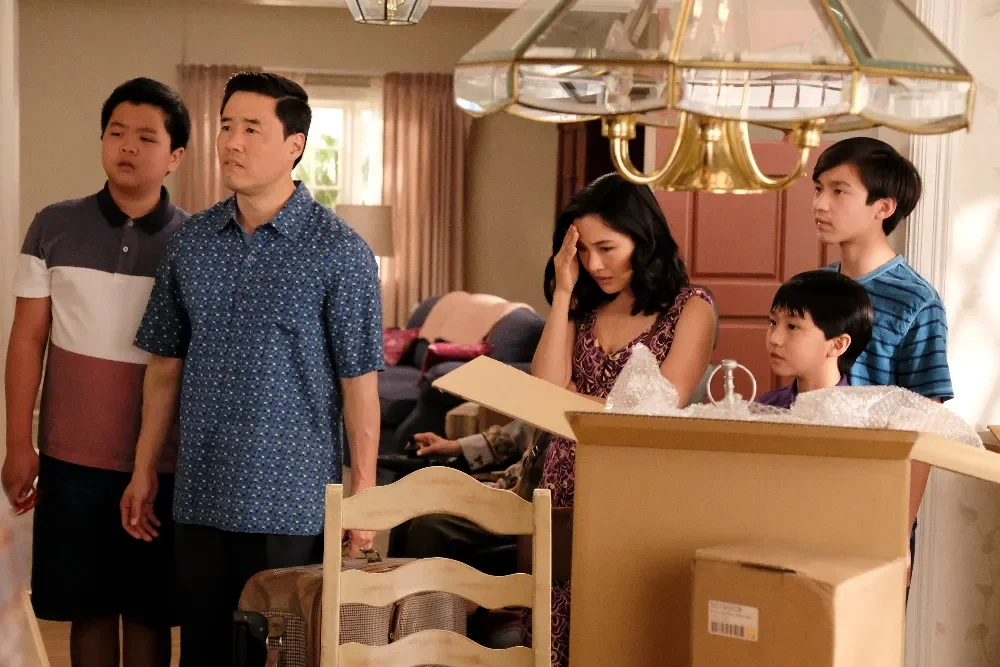
Fresh Off the Boat (2015–2020) is the one that works. The Huangs arrive in Florida in the nineties; Louis turns the steakhouse around, Jessica holds the budget together, and across ten seasons the family genuinely climbs. The show is also honest about the cost, including the pressure the parents place on their children to justify the whole undertaking. Mobility happened here, and it took a generation and everyone in the family pulling.
Three of the four are about the ceiling. The fourth needs ten seasons and an entire family to get through it. That ratio isn't cynicism — it's what storytelling looks like when the climb gets steep enough that completing it becomes the exceptional case worth building a show around.
Wealth
This section was the hardest to cast, and the difficulty is itself a finding. Try to name a recent film about someone building real wealth — not inheriting it, not stealing it, not being humbled by it. The list is short. The culture has endless appetite for extreme wealth as spectacle and almost none for the ordinary version that actually changes a life.
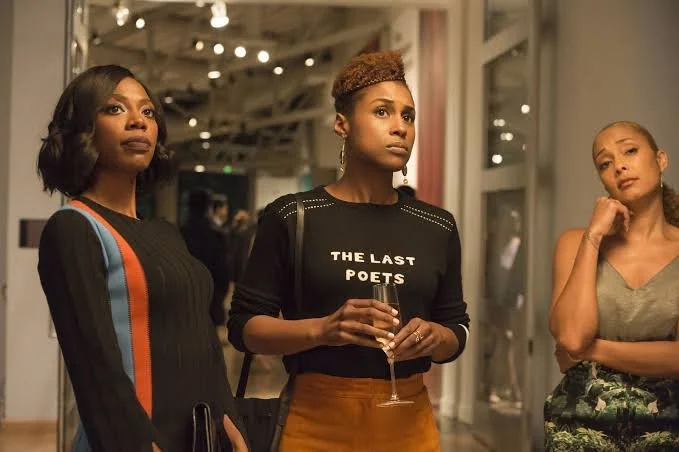
Insecure (2016–2021) gets closest to what most people mean by the word. Issa spends five seasons working out career, money, and what she actually wants, and the show never treats wanting more as a character flaw. What she's chasing isn't a mansion. It's the ability to decide based on what she wants rather than what she can currently afford. Wealth here means room to choose.
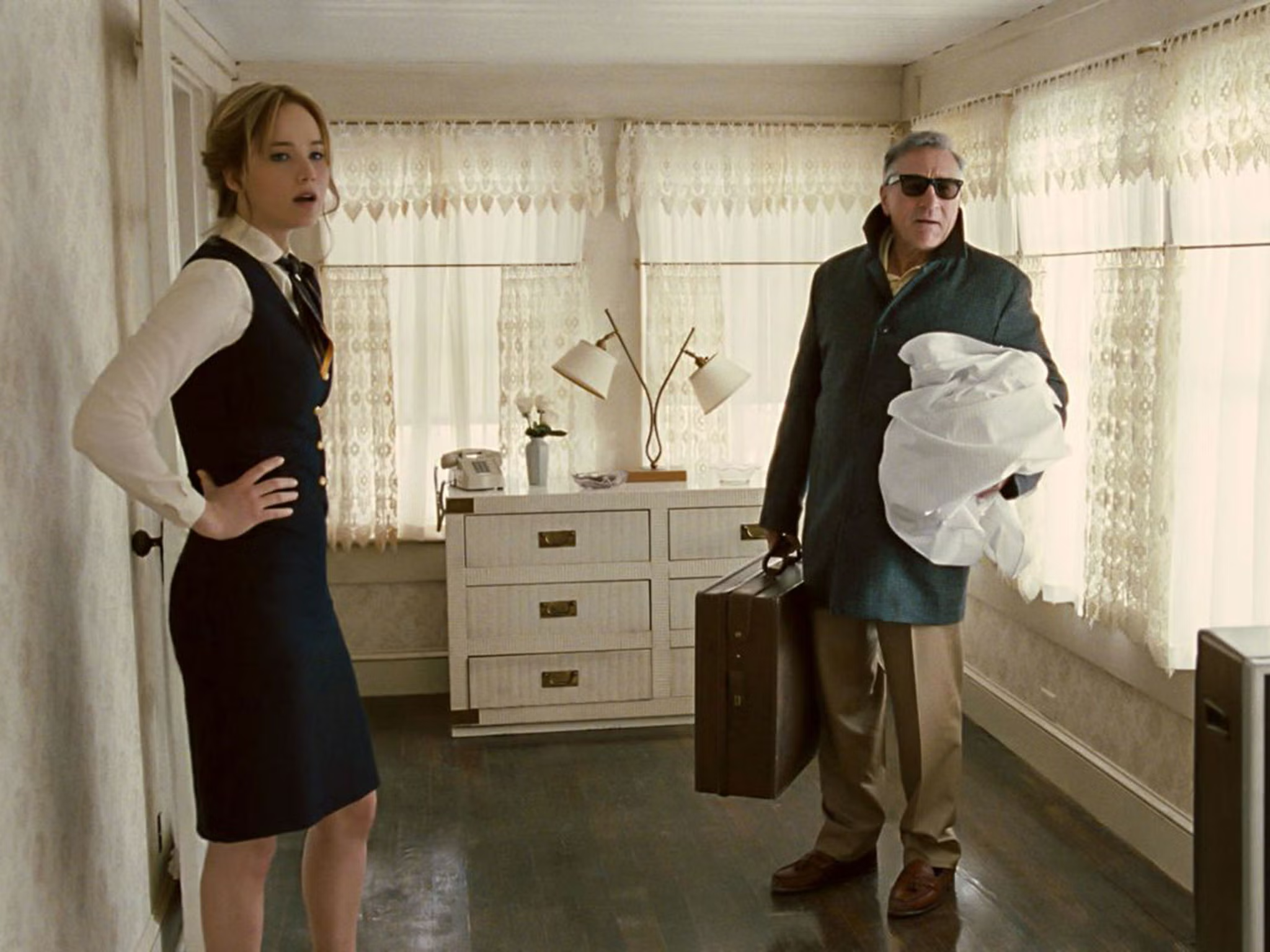
Joy (2015) films the part movies usually skip. Joy Mangano starts out underpaid and overextended when she invents a better mop, and then comes faulty manufacturing, a failed infomercial, patent fights, and real financial risk with no safety net underneath her. She comes out the other side self-made. The film is honest that the reward and the risk were the same size the whole way.
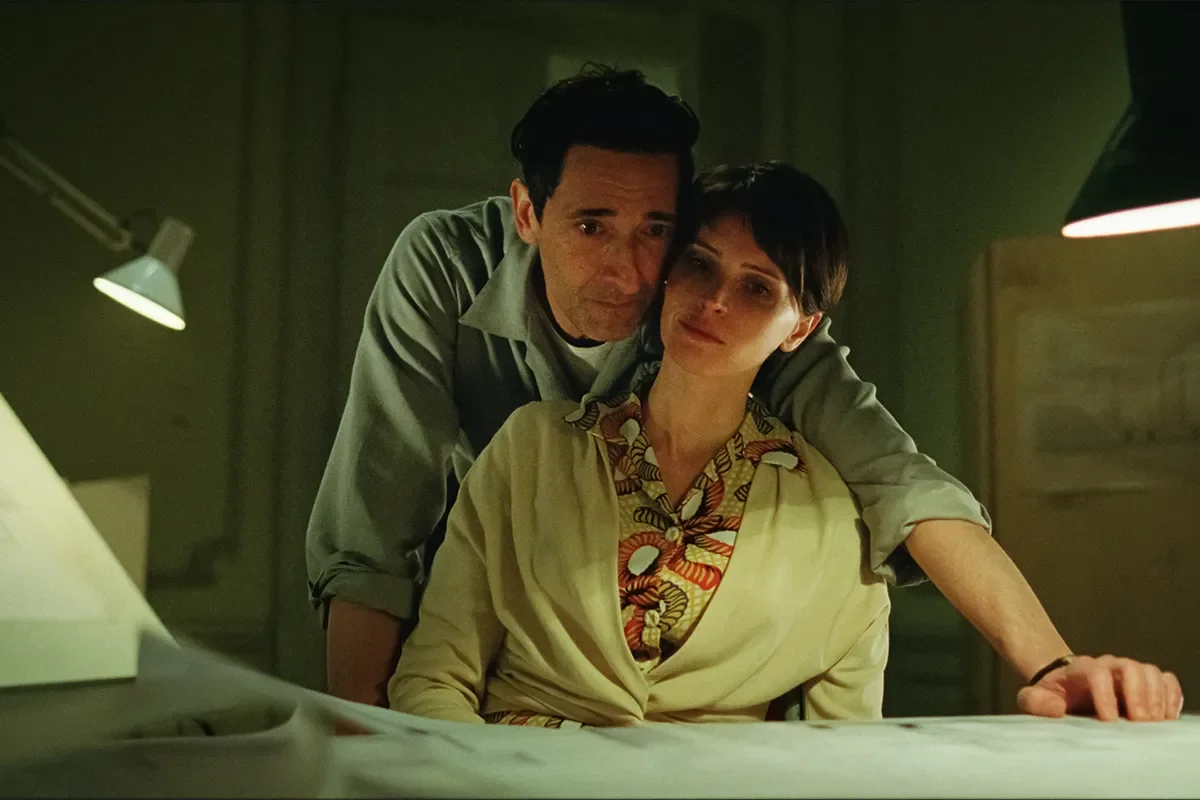
The Brutalist (2024) asks who owns the runway. László Tóth arrives in America with talent and nothing else, and the work that makes his name is only possible because a wealthy industrialist agrees to fund it. Everything he builds sits on capital that isn't his, which means whoever holds the money holds the leverage. Patronage turns out to be liberating and limiting at the same time.
Black Panther (2018) scales the question up to a country. Wakanda's wealth buys security, but the film is far more interested in what it obligates — T'Challa spends the story deciding what a nation owes the world once it has the means to act. Wealth as freedom, responsibility, and influence at once.
None of these are about being rich. All four are about what money makes possible, and each draws the line somewhere different. That's a far better conversation than the one the yacht footage produces, and there should be considerably more of it.
The three pillars, together
Separately, each pillar reads as a genre. Together, they read as a sequence, and it runs in order.
When the month doesn't close, there's nothing left to put toward moving up. When moving up stalls, there's nothing to build with. When there's nothing to build with, wealth stops being a goal anyone plans around and becomes something that happens to other people on screen. Affordability, mobility, and wealth are not three separate problems. They're three points on the same blocked path.
The second thing worth noticing is tone. Almost none of this work is angry at ambition. The Hecks want a better month, Issa wants a career on her own terms, the Huangs want everything that a decade of work can buy. What the writers are skeptical of is the machinery, not the desire — and that distinction holds across sitcoms, horror, and prestige drama alike.
That's the part worth sitting with. Writers' rooms with no connection to each other keep independently arriving at the same diagnosis, which means the audience arrived there first. These shows land because people already recognize the situation.
What we're building
Young Americans are not bad with money, and they're not behind because they didn't try hard enough. The math changed, and fifteen years of film and television have been documenting it in real time. That documentation is useful to us for a specific reason. Wealth that an ordinary person can build and keep, because wealth means freedom and freedom should be reachable by anyone willing to work for it. The Dream still means something specific, and most people under 45 still believe in it — that's precisely why the gap between the promise and the arithmetic stings the way it does. Closing that gap is the whole project. We're building toward a country where these stories stop being so recognizable. Come build it with us.
